About Us
About Us
Ophthalmology gets a fraction of the curricular time most other specialties do. Many medical schools offer only a few days of dedicated teaching, and some none at all — despite eye complaints being a routine part of primary care, ophthalmic knowledge showing up on boards, and every physician needing to recognize the handful of eye findings that are true emergencies. Students often arrive at an ophtho rotation, sub-internship, or clerkship having never used a direct ophthalmoscope or a slit lamp, with no structured way to catch up fast.
TheOphthoManual was built to close that gap: a single, cited, rotation-ready reference covering the anatomy, disease knowledge, and hands-on exam skills that ophthalmology assumes but rarely teaches explicitly. It's meant for medical students on ophtho rotations, residents in other specialties who need primary-care-level ophthalmic competency, and anyone studying for boards.
Our Founders
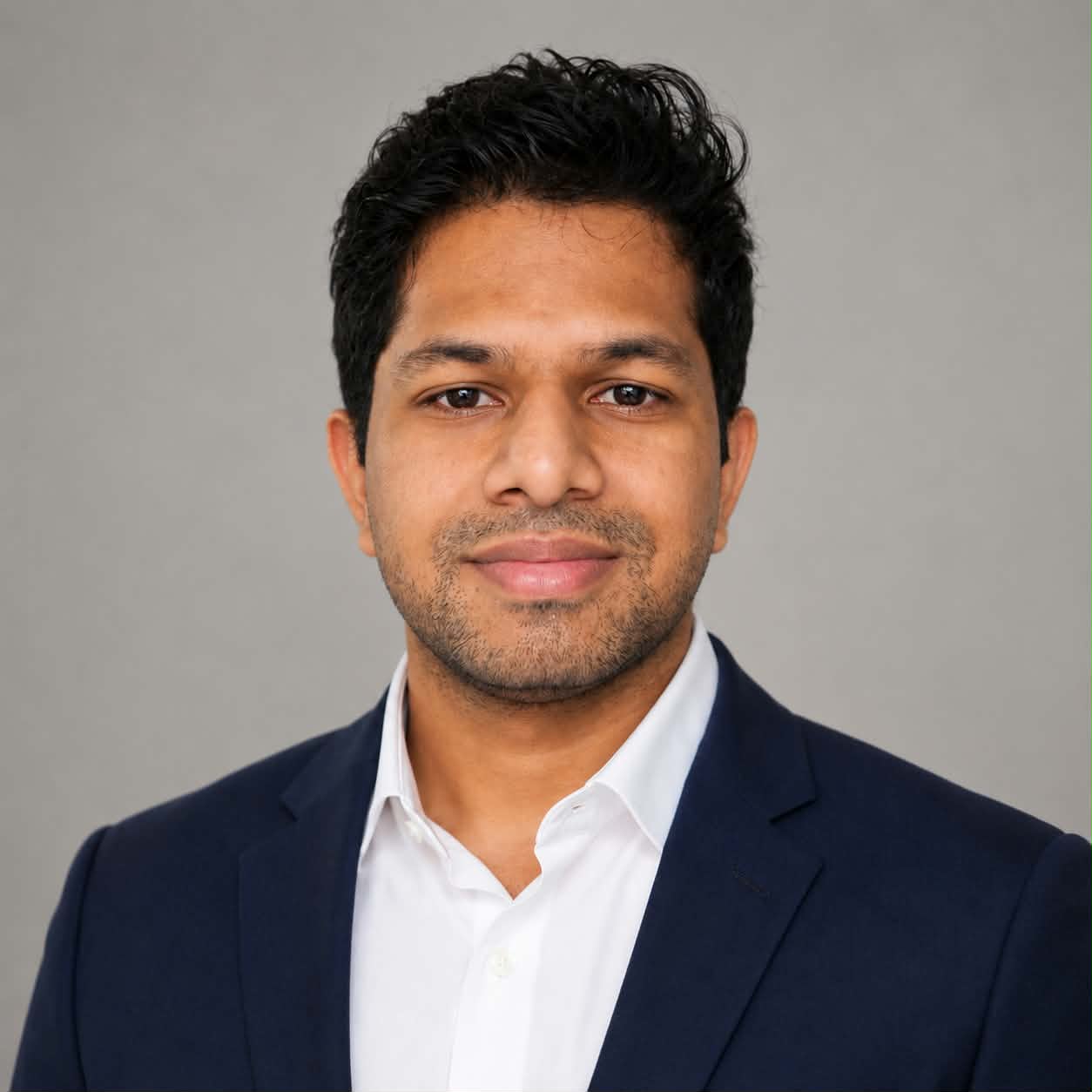
Thanansayan D.
Fahad B.
Varounan D.
Our Staff Supervisors
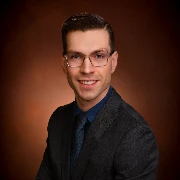
David Plemel, MD FRCSC
Department of Ophthalmology
Western University
How entries are made
TheOphthoManual is built by undergraduate and medical students, residents, and staff clinicians. To keep pace with two of the most time-consuming sections — disease overviews and exam techniques — content is drafted with an automated pipeline, then reviewed by a human before it ever appears here.
- Retrieve. For a given topic, the pipeline queries PubMed for relevant abstracts and cross-checks against StatPearls (NCBI Bookshelf) for background context.
- Draft. An AI model drafts the entry using only the retrieved sources — every clinical claim must carry a citation back to one of them. Nothing is generated from unsupported memory.
- Flag. Any claim the model can't attach a citation to is automatically stripped rather than published uncited.
- Review. Every draft is marked pending-review until a clinician spot-checks it and flips it to reviewed.
StatPearls entries are used for verification only, not as source text for drafting — StatPearls is published under a no-derivatives license, so generated content is synthesized fresh from primary literature and cited accordingly.